
Imagine stepping into your driveway after a long day and noticing cracks, uneven patches, or water pooling on the surface. It’s a common issue many homeowners face when the foundation or paving material isn’t chosen wisely. This is where cement paver blocks come into the picture.
They are not just about appearance. They play a crucial role in strength, durability, and long-term performance of outdoor surfaces. Whether it’s a driveway, walkway, patio, or even industrial flooring, understanding the basics can save you time, money, and future repairs.
Let’s break it down in a simple, practical way so you can make informed decisions.
What Are Cement Paver Blocks and Why Do They Matter?
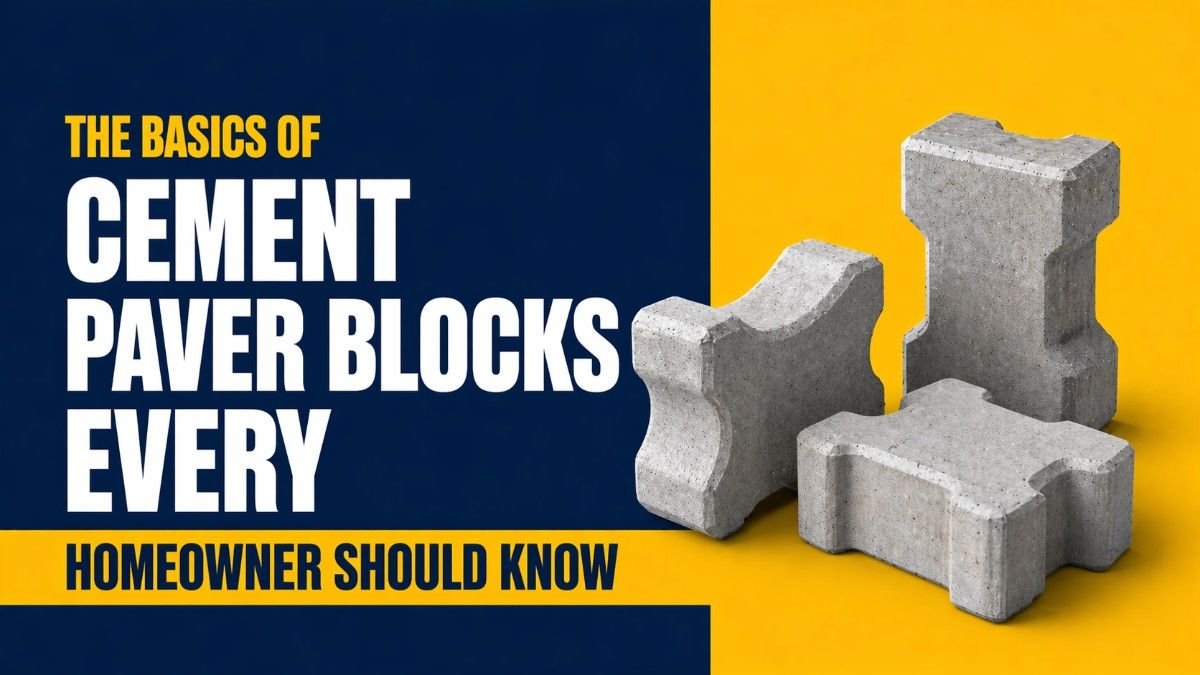
Cement paver blocks are pre-cast concrete units used to create durable and interlocking surfaces. Unlike traditional flooring methods, they are manufactured under controlled conditions, ensuring consistent strength and finish.
These blocks are widely used in:
- Residential driveways
- Garden pathways
- Parking areas
- Commercial landscapes
What makes them stand out is their load-bearing capacity and flexibility. They don’t crack easily under pressure because of their interlocking design.
In real construction sites, contractors often prefer these over plain concrete slabs because repairs are easier and faster. If one block gets damaged, it can be replaced without disturbing the entire surface.
How Cement Paver Blocks Connect with Construction Practices
At first glance, paver blocks may seem unrelated to structural components like slabs or beams. But in reality, they are part of a broader construction ecosystem.
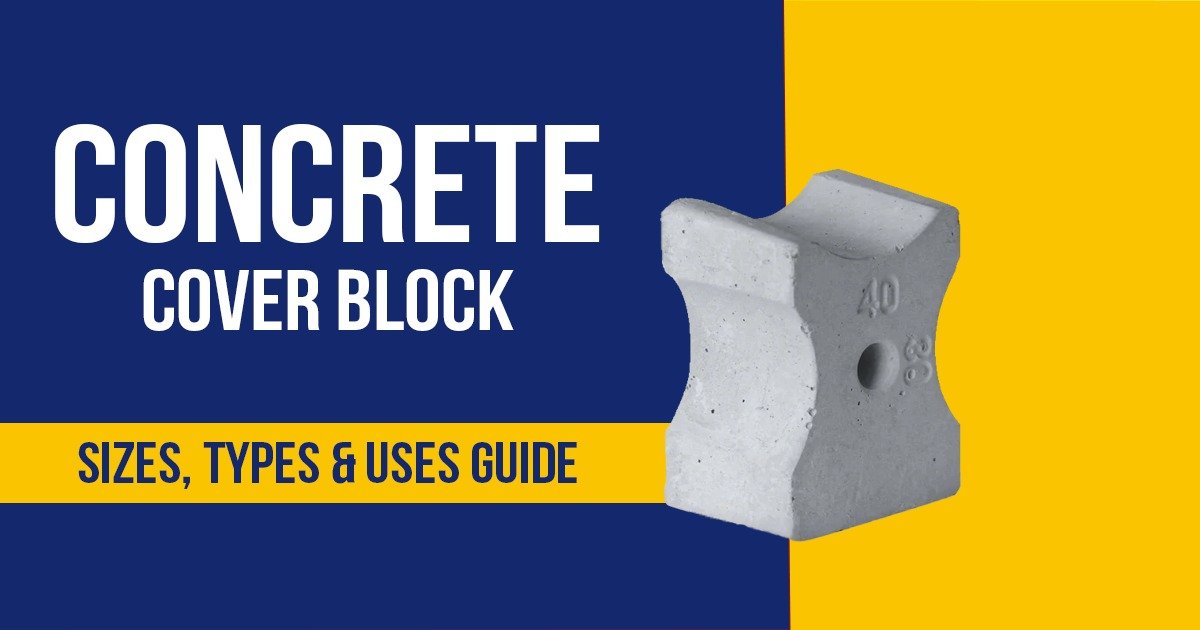
In projects where concrete cover blocks and cement cover block solutions are used for reinforcement spacing, similar principles of durability and load distribution apply to paver blocks as well.
For example:
- Proper base preparation ensures load transfer, just like reinforcement in slabs
- Even spacing prevents stress concentration
- Quality materials ensure long-term strength
This connection highlights how important it is to choose the right construction materials across every stage.
Key Benefits of Cement Paver Blocks
1. Strength That Lasts for Years
Cement paver blocks are designed to withstand heavy loads. This makes them ideal for:
- Vehicle movement
- Outdoor wear and tear
- High foot traffic areas
In comparison to traditional concrete, they perform better under stress because of their modular structure.
2. Excellent Durability in All Weather
Whether it’s extreme heat, rain, or cold conditions, these blocks maintain their integrity.
Builders often use them in open areas because:
- They resist erosion
- They handle water drainage efficiently
- They do not expand and crack easily
3. Cost-Effective in the Long Run
Initial installation might feel similar to other materials, but long-term savings are significant.
Why?
- Minimal maintenance
- Easy replacement
- No large repair costs
In construction terms, this is a smart lifecycle investment.
4. Better Drainage and Surface Stability
Waterlogging is a common issue in poorly designed surfaces. Cement paver blocks solve this with their interlocking gaps.
This allows:
- Natural water seepage
- Reduced surface runoff
- Better ground stability
Where Are Cement Paver Blocks Used in Real Projects?
Driveways and Parking Areas
Contractors prefer paver blocks here because they handle vehicle loads efficiently. Unlike poured concrete, they don’t develop long cracks.
Garden Pathways
They provide a neat, aesthetic finish while maintaining strength. Homeowners often choose them for landscaping projects.
Industrial Flooring
Heavy-duty paver blocks are used in factories and warehouses where machinery movement is frequent.
Around Structural Elements
Even near slabs, beams, and columns, paver blocks are used for surrounding flooring, ensuring durability and proper load distribution.
The Role of Base Preparation in Performance
Many homeowners focus only on the block quality, but the real strength lies beneath.
A proper base includes:
- Compacted soil
- Sand layer
- Correct leveling
This is similar to how reinforcement spacing works in structural elements. Without proper spacing and support, even the best materials fail.
Common Mistakes Homeowners Should Avoid
Ignoring Thickness Requirements
Not all paver blocks are the same. Thinner blocks may work for walkways but fail under vehicles.
Poor Installation
Improper alignment or uneven base can lead to:
- Surface sinking
- Block movement
- Uneven appearance
Choosing Low-Quality Materials
Cheap materials might save money initially but lead to higher maintenance costs.
Skipping Edge Restraints
Without proper edge support, blocks can shift over time, affecting the entire layout.
Cement Paver Blocks vs Traditional Concrete Flooring
| Feature | Cement Paver Blocks | Traditional Concrete |
|---|---|---|
| Flexibility | High | Low |
| Crack Resistance | Strong | Weak |
| Repair | Easy | Difficult |
| Drainage | Excellent | Poor |
| Maintenance | Low | High |
This comparison clearly shows why modern construction projects are shifting toward paver solutions.
How Cement Cover Blocks Relate to Paver Block Quality
In construction, cement cover block and concrete cover blocks are used to maintain proper spacing between reinforcement bars.
Similarly, in paving:
- Proper spacing ensures stability
- Uniform placement avoids stress points
- Quality material ensures durability
Both serve the same purpose — maintaining structural integrity.
Step-by-Step Overview of Installation
Here’s a simplified process used by contractors:
- Ground excavation
- Base compaction
- Sand bedding layer
- Laying paver blocks in pattern
- Filling joints with sand
- Final compaction
Each step is crucial. Skipping even one can reduce the lifespan of the surface.
Why Builders Trust Goyal Cement Blocking
When it comes to reliable construction materials, consistency matters.
Goyal Cement Blocking has built trust among builders and contractors by focusing on quality and precision.
What sets them apart:
- Accurate sizing for perfect alignment
- High-strength materials for durability
- Reliable supply for ongoing projects
- Trusted by construction professionals
Their products are designed to support both structural needs like concrete cover blocks and surface applications like paver blocks.
Practical Insights from Construction Sites
From real-world projects, one thing is clear:
Good materials alone are not enough. Proper usage is equally important.
For example:
- In slab construction, incorrect cover block placement weakens the structure
- In paving, poor alignment reduces lifespan
This is why experienced contractors always emphasize both quality and technique.
Myths About Cement Paver Blocks
Myth 1: They Are Only for Decoration
Reality: They are highly functional and used in heavy-load areas.
Myth 2: They Are Expensive
Reality: They are cost-effective when considering long-term maintenance.
Myth 3: They Require Constant Maintenance
Reality: Minimal upkeep is needed if installed properly.
Conclusion
Understanding the basics of cement paver blocks is essential for any homeowner planning outdoor construction. They are not just a design choice but a long-term investment in durability, strength, and cost efficiency.
From driveways to industrial flooring, their versatility makes them one of the most reliable construction materials available today.
When combined with proper practices like correct base preparation and the use of quality materials such as cement cover block and concrete cover blocks, the results are long-lasting and structurally sound.
If you are planning your next project, choosing the right materials and trusted suppliers like Goyal Cement Blocking can make all the difference.
Frequently Asked Questions
Quick answers to what people usually ask.